
Letifly Lights & Home Décor Ideas

Kids' Room Lighting Ideas That Don't Look Like a Kids' Room

Kids' Room Lighting Ideas That Don't Look Like a Kids' Room

Letifly Team Jul 28, 2026

Playful doesn't have to mean cartoonish. Our best-selling colorful pendant proves a kids' room light fixture can still look genuinely designed.

Battery and Motion-Sensor Lighting: Where Cordless Actually Makes Sense

Battery and Motion-Sensor Lighting: Where Cordless Actually Makes Sense

Letifly Team Jul 28, 2026

No wiring, no wall switch, no outlet needed. Here's where a motion-sensor rechargeable light genuinely earns its spot, using our best-selling wood wall light as the example.

Pull-Cord Wall Sconces: Why a Physical Switch Still Matters

Pull-Cord Wall Sconces: Why a Physical Switch Still Matters

Letifly Team Jul 28, 2026

Not every sconce needs a wall switch nearby. Our best-selling globe sconce with pull cord explains why that detail matters more than it looks.

Vintage-Inspired Glass Lighting: A Guide to Retro Pendant and Ceiling Styles

Vintage-Inspired Glass Lighting: A Guide to Retro Pendant and Ceiling Styles

Letifly Team Jul 28, 2026

Colored glass, a floral silhouette and brass fittings — our best-selling retro fixture works as either a pendant or a flush ceiling light. Here's how to choose which, and which color.

How to Choose Pendant Light Color for a Kitchen or Dining Room

How to Choose Pendant Light Color for a Kitchen or Dining Room

Letifly Team Jul 28, 2026

A colored pendant is the single easiest way to add personality to a kitchen without repainting anything. Here's how to actually pick the color.

The Cocoon Pendant Trend: Ceramic vs Glass, Explained

The Cocoon Pendant Trend: Ceramic vs Glass, Explained

Letifly Team Jul 28, 2026

Two of our best-selling pendants share the same cocoon silhouette but couldn't feel more different. Ceramic and pleated vs glass and rippled — here's how to choose.

Wood and Brass Wall Sconces: Styling the Ashwood Pivot

Wood and Brass Wall Sconces: Styling the Ashwood Pivot

Letifly Team Jul 28, 2026

Walnut ash wood, brass hardware, a pivoting shade — our best-selling wood sconce is a study in warm, adjustable lighting. Here's where it fits.

Wall Sconce Placement 101: How High and Where to Hang Them

Wall Sconce Placement 101: How High and Where to Hang Them

Letifly Team Jul 28, 2026

Wrong height is the most common wall sconce mistake. Here's the actual math, using our best-selling Collin Rotating Wall Sconce as the example.

Statement Pendant Lighting: A Sizing Guide Using the Honeycomb Collection

Statement Pendant Lighting: A Sizing Guide Using the Honeycomb Collection

Letifly Team Jul 28, 2026

Round, bubble, or cylinder — in brass or other finishes, small, medium or large. Here's how to size a statement pendant light correctly the first time.

How to Choose a Bedside Reading Wall Lamp (and Why Rotating Arms Matter)

How to Choose a Bedside Reading Wall Lamp (and Why Rotating Arms Matter)

Letifly Team Jul 28, 2026

A plug-in wall lamp frees up your whole nightstand. Here's why the rotating arm on our best-selling reading lamp actually matters.

Glass Pendant Lights 101: Inside the Woodcrest Collection

Glass Pendant Lights 101: Inside the Woodcrest Collection

Letifly Team Jul 28, 2026

Solo, Orb, Compact, Globe or Cluster — our best-selling glass pendant collection comes in five shapes. Here's how to pick between them.

Cordless Table Lamps: Why the Moon LED Lamp Is a Bestseller

Cordless Table Lamps: Why the Moon LED Lamp Is a Bestseller

Letifly Team Jul 28, 2026

No outlet, no problem. Here's why our rechargeable Moon table lamp keeps outselling plug-in lamps, and where cordless actually makes sense.

The Soft Pastel Pendant Light: Why It's Our Best-Selling Pendant

The Soft Pastel Pendant Light: Why It's Our Best-Selling Pendant

Letifly Team Jul 28, 2026

Our best-selling pendant light comes in 38 colour and shade combinations. Here's how to pick the right one for your kitchen, dining room, or entry.

How to Mix Wood, Metal, and Glass Lighting Finishes

    How to Mix Wood, Metal, and Glass Lighting Finishes

    Jessica Parson Jul 27, 2026

    Wood, metal, and glass can work together in lighting when the mix follows a simple structure. The most reliable approach is to choose one dominant finish, support it with one secondary material, and use the third as an accent. This keeps the room coordinated without making every fixture match.In lighting, the goal is not perfect uniformity. It is visual balance. When wood, metal, and glass share compatible undertones, repeat across the room, and vary in texture, the combination feels intentional rather than random.Start with one dominant finish Choose the material that should visually lead the space. In many rooms, that is wood if you want warmth, metal if you want structure, or glass if you want lightness. Let the dominant finish appear in the largest or most noticeable fixture, then repeat it elsewhere in smaller ways.A useful guideline is to keep the room weighted toward one finish family rather than splitting attention equally across all three. For example, a wood-forward pendant can be supported by smaller metal details and a glass shade or diffuser. A fixture such as the Soft Pastel Pendant Light shows how wood and metal can share one design without looking busy when the palette stays restrained.Match undertones before you match exact colorsUndertone matters more than exact shade. Warm woods such as oak, walnut, or honey finishes usually pair best with warm metals like brass, bronze, or muted gold. Cooler woods such as ash, gray-stained oak, or espresso often work better with black, chrome, pewter, or brushed nickel.Glass should support that temperature. Clear glass is flexible and works with most combinations, smoked glass usually reads more moody and modern, and frosted or opal glass softens contrast. If the room already has strong wood tones, use metal and glass to either echo that warmth or provide a controlled cool contrast.Use texture contrast to keep the mix balanced The combination becomes more sophisticated when the finishes differ in texture as well as material. Smooth glass, grained wood, and brushed or matte metal create enough variation to make the lighting feel layered. If all surfaces are equally glossy, the room can feel hard and reflective.Try pairing matte black metal with natural wood and opal glass for a softer modern look. For a cleaner and lighter effect, combine pale wood with satin metal and clear glass. Texture contrast is often what makes mixed materials feel designed rather than accidental.Repeat each material at least twice in the roomA mixed-finish light fixture looks most natural when its materials appear somewhere else in the room. Repeat wood through furniture, shelving, frames, or smaller accents. Repeat metal through cabinet hardware, table legs, or lamp bases. Repeat glass through shades, vases, doors, or tabletop accessories.This does not mean using the exact same finish everywhere. The aim is recognition. When the eye sees each material more than once, the lighting feels connected to the room instead of isolated.Choose the right balance for each room style Modern and minimalist roomsKeep the palette tight. One wood tone, one metal finish, and clear or frosted glass are usually enough. Black metal with light wood and white glass creates sharp contrast without excess detail.Warm contemporary roomsUse medium or warm wood, softened metal finishes, and diffused glass. Brass accents can add warmth, while frosted glass prevents glare and keeps the room calm. A fixture with metal structure and warmer detailing, such as the Pleated Ceramic and Brass Cocoon Pendant Light, fits this type of layered finish story when used alongside wood furniture and softer surfaces.Small spacesUse glass to reduce visual weight. A heavy mix of dark wood and dark metal can make a compact room feel dense. In smaller kitchens, entryways, or bedside zones, lighter wood and more visible glass help the lighting read as open and functional.For compact areas that still need material contrast, a rechargeable lamp like the Moon Cordless LED Dimmable Table Lamp can add a glass-like globe form and metal presence without requiring permanent fixture changes.A simple formula for mixing finishesIf you want a practical rule, use this ratio: Material role How to use it Dominant About 60% of the visible finish story, usually the main fixture or the most repeated room material Secondary About 30%, often the supporting material in the light fixture or nearby hardware Accent About 10%, used for highlights such as glass shades, trim, or small decorative details This type of distribution prevents all three materials from competing equally. It also makes future updates easier because you can swap the accent finish without redesigning the whole room.Common mistakes to avoid Using too many wood tones that do not relate to each other. Combining warm and cool metals without a clear bridge. Choosing reflective metal and glossy glass in a room that already has many shiny surfaces. Letting one mixed-material light fixture be the only place where wood, metal, and glass appear together. Ignoring scale, especially when a heavy metal frame overpowers delicate glass or slim wood details. If a room feels disjointed, simplify first. Reduce the number of competing finishes, then reintroduce contrast through texture instead of additional colors.How to make the mix look intentionalStart by identifying the room's warm or cool direction. Then choose one main material, one supporting finish, and one accent element. Check that each finish repeats elsewhere and that the textures are not all equally polished or equally rough.If you are selecting new fixtures, browsing a focused design lighting collection can help you compare shapes and finish combinations that already balance materials in a single piece. The best mixed-finish lighting usually looks calm, not crowded, and connected to the rest of the room rather than separate from it.FAQCan you mix metals in lighting fixtures?Yes. Mixed metals can work well when the undertones relate and one finish is clearly dominant. Brushed, matte, and satin surfaces are often easier to combine than several high-gloss finishes.Do wood and glass work together in lighting?Yes. Wood adds warmth and glass adds lightness. The pairing works especially well when the glass reduces visual heaviness and the wood tone repeats elsewhere in the room.Should every light fixture in a room have the same finish?No. Fixtures do not need to match exactly. They should share a common element such as undertone, material, shape, or texture so the room feels cohesive.What is the safest way to mix wood, metal, and glass?The safest method is to choose one dominant finish, one secondary finish, and one accent material. Then repeat each material at least twice in the room.

    Mid Century Style Lamp Ideas for Modern Homes

      Mid Century Style Lamp Ideas for Modern Homes

      Jessica Parson Jul 26, 2026

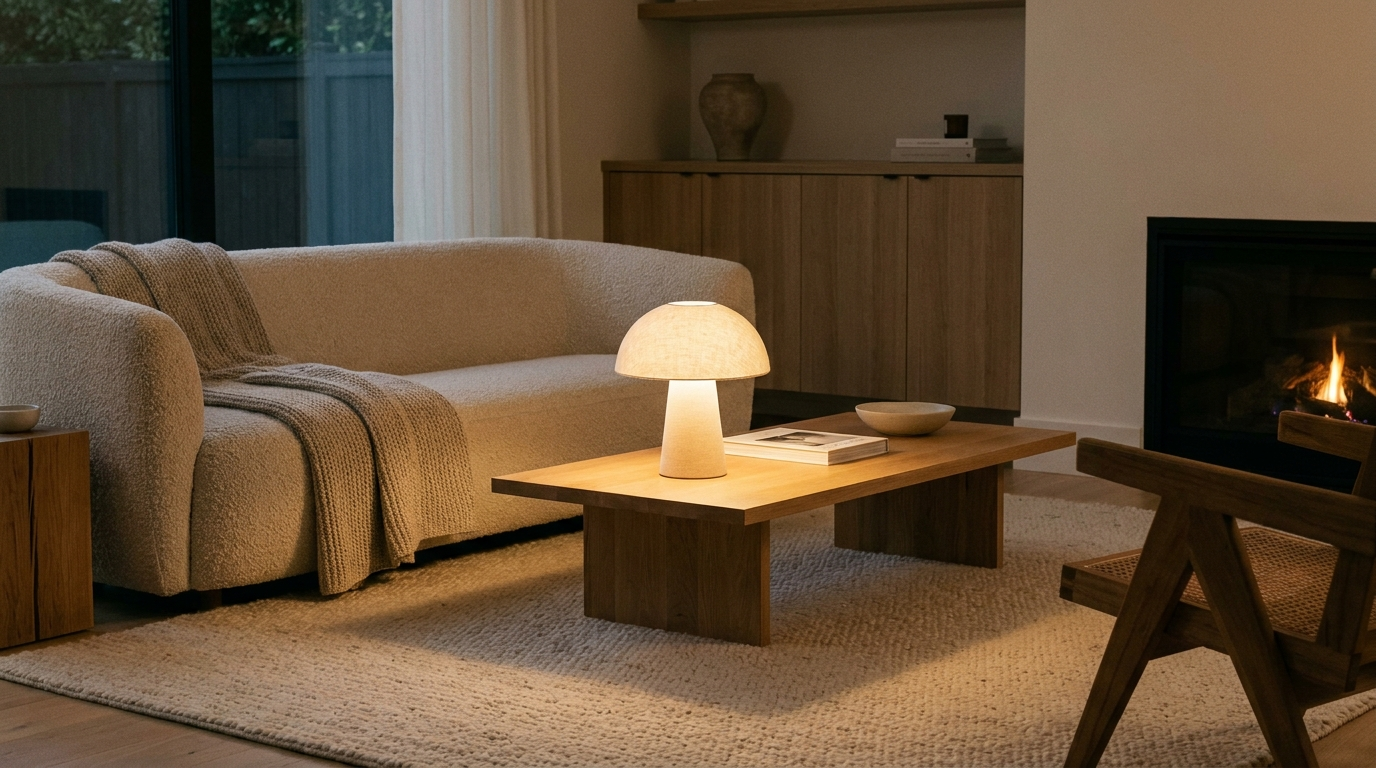
      Mid century style lamps work well in modern homes because both styles value clean lines, practical function, and visually light forms. The key is not to recreate a 1950s room exactly, but to use a few recognizable lamp shapes and materials that add warmth without making the space feel themed.In practice, the most useful mid century lamp ideas focus on proportion, material contrast, and layered light. Globe shades, brass details, tapered forms, wood accents, and simple silhouettes are the details that usually signal mid century design most clearly.What makes a lamp look mid centuryA lamp reads as mid century when it combines restrained geometry with warm materials. Common traits include globe or cone shades, tripod or tapered bases, brushed brass, walnut tones, ceramic bodies, and shapes that feel sculptural without being ornate.Modern homes benefit from these lamps because they soften hard edges and add visual history to newer interiors. A globe form is especially useful because it feels period-appropriate while still looking current, which is one reason a cordless globe lamp can fit naturally on a shelf, side table, or nightstand.For example, a globe table lamp aligns with the rounded silhouettes often associated with mid century lighting while adding portable task or accent light where wiring is inconvenient. The product details note a dimmable LED design, rechargeable battery, and indoor-outdoor flexibility, which makes that shape usable beyond a fixed bedside setup How to use mid century lamps in a modern homeThe easiest approach is to treat the lamp as a bridge between warm and minimal elements. If a room has contemporary upholstery, smooth walls, and simple cabinetry, a mid century style lamp can add character through material and form instead of color alone.Use one strong silhouette per zone rather than repeating a motif everywhere. A globe table lamp, a pleated pendant, or a slim wall light can each carry the style on their own, while too many retro references in one room can make the space feel staged rather than balanced.Prioritize visual contrastMid century lamps stand out most when they contrast with their surroundings. Brass and ceramic look sharper against matte paint, stone, glass, and plain wood surfaces. Soft curved shades also help offset boxy sofas, rectangular kitchen islands, and straight-lined built-ins.Keep the palette controlledA restrained palette makes the style easier to integrate. Walnut, cream, brass, black, olive, and muted terracotta usually pair well with modern interiors because they add warmth without overwhelming neutral architecture.Best mid century lamp ideas by room Different rooms need different lamp types, so style should follow function. The most effective layouts combine ambient light for general brightness, task light for work, and accent light for depth. Room Best lamp type Why it works Living room Globe table lamp or sculptural floor lamp Adds a focal point and softens seating areas Bedroom Compact bedside lamp or wall light Saves space and creates warm evening light Dining area Pendant with simple curves Defines the table and adds a period-inspired centerpiece Kitchen Small pendant or understated wall light Keeps lines clean while improving functional brightness Entryway Ceramic lamp or wall-mounted accent light Creates a welcoming first layer of light Living roomIn living rooms, mid century lamps work best when they emphasize conversation areas. A rounded table lamp on a side table or credenza helps break up the straight lines of sofas and storage pieces.If the room already has a low, clean-profile media console, a ceramic accent can keep the look grounded. A small sculptural object such as the Milo Ceramic Desk Clock can also support the same warm minimal language through glazed ceramic and a simple silhouette BedroomBedrooms benefit from lamps with soft diffusion and low visual weight. Globe shades and compact ceramic bases are practical because they produce a gentler glow than exposed bulbs and do not crowd smaller nightstands.For tight layouts, wall-mounted lighting can free up surface space. A slim rechargeable wall light is useful when a room needs bedside illumination without hardwiring, especially in apartments or guest rooms.Dining areaA pendant is often the strongest mid century reference in a dining space. Look for a fixture with an uncomplicated profile, warm metal detailing, and a diffused shade rather than something heavily decorative.A pleated ceramic and brass pendant light suits this role because the ceramic form introduces texture while the brass accents keep the look aligned with classic mid century material cues. Its adjustable cord and LED-compatible E14 base also make it practical for dining placement Another useful option is a softer colored pendant with wood and metal details over a breakfast nook or smaller dining table. A metal and wood pendant light reflects the era's interest in simple forms and natural materials, while the dimmable setup helps shift the room from task use to evening ambient light Kitchen and hallwayThese spaces need clarity more than decoration, so keep the shapes simple. Small pendants, flush lighting, or subtle wall-mounted fixtures work better than oversized statement lamps in circulation areas.For low-profile accent lighting, a rechargeable wall light can add warm illumination under cabinets, along hallways, or near stair routes. The product details list warm white output, motion sensing, and a magnetic rechargeable format that helps in places where hardwiring is unnecessary or difficult Mid century lamp shapes that suit modern interiors Some shapes adapt more easily than others. The most versatile options are those that feel architectural, compact, and simple enough to sit beside contemporary furniture. Globe lamps: Good for bedside tables, consoles, and shelves because they diffuse light evenly and echo iconic mid century forms. Cone or tapered shades: Useful for reading corners and desks because they direct light more precisely. Tripod bases: Best in larger rooms where the base can be seen clearly. Pleated or textured pendants: Helpful when a room needs softness above a dining table or island. Slim wall lamps: Effective in narrow rooms, hallways, and compact bedrooms. If you want broader visual context before choosing a specific type, browsing a general design lighting range can help compare silhouette, scale, and finish across rooms without locking into one fixture category too early How to choose the right finish, size, and bulb colorChoosing the right lamp is usually less about the label and more about fit. A well-scaled lamp with a warm finish will look more convincingly mid century in a modern home than a larger, more literal retro piece that overwhelms the room.FinishBrass, walnut, matte black, ceramic, and opal glass are the safest finishes for this style. They reflect common mid century materials while staying compatible with present-day interiors.SizeKeep side-table lamps roughly proportional to the furniture they sit on. In living rooms and bedrooms, the lamp should feel substantial enough to anchor the surface but not so wide that it blocks movement, sight lines, or storage.Bulb colorWarm white light usually supports the style best because it reinforces the warmth of wood, brass, and ceramic. Very cool light can make mid century materials look flatter and less inviting, even if the lamp shape is correct.Common mistakes to avoidThe most common mistake is overcommitting to retro styling. A modern home usually looks better with one or two mid century lamp references than with a full set of matching vintage-inspired pieces in every corner. Using lamps that are too small for large sofas or dining tables Pairing warm brass and wood forms with very cool bulbs Choosing decorative shapes with poor task lighting performance Repeating sputnik, globe, and tripod motifs all in the same room Ignoring how lamp height relates to eye level when seated Another mistake is treating the lamp as pure decor. In successful rooms, the fixture still solves a lighting problem first, whether that is reading light, soft ambient light, or circulation lighting.FAQDo mid century lamps work in modern homes?Yes. Mid century lamps fit modern homes well because both styles favor clean lines, practical forms, and restrained ornament. The combination works best when the lamp adds warmth through material or shape rather than making the room feel historically themed.What features define a mid century style lamp?Typical features include globe or cone shades, tapered or tripod bases, brass or wood accents, ceramic bodies, and simple sculptural silhouettes. These elements help the lamp look period-inspired without appearing overly ornate.What bulb color is best for a mid century look?Warm white light is usually the best match. It supports the look of brass, wood, ceramic, and opal glass better than cool white light.Can mid century lamps work in small spaces?Yes. Compact table lamps, slim wall lights, and small pendants are especially effective in small rooms because they add style without taking up much floor or surface space.

      How to Style a Console Table With Lamps and Decor

        How to Style a Console Table With Lamps and Decor

        Jessica Parson Jul 25, 2026

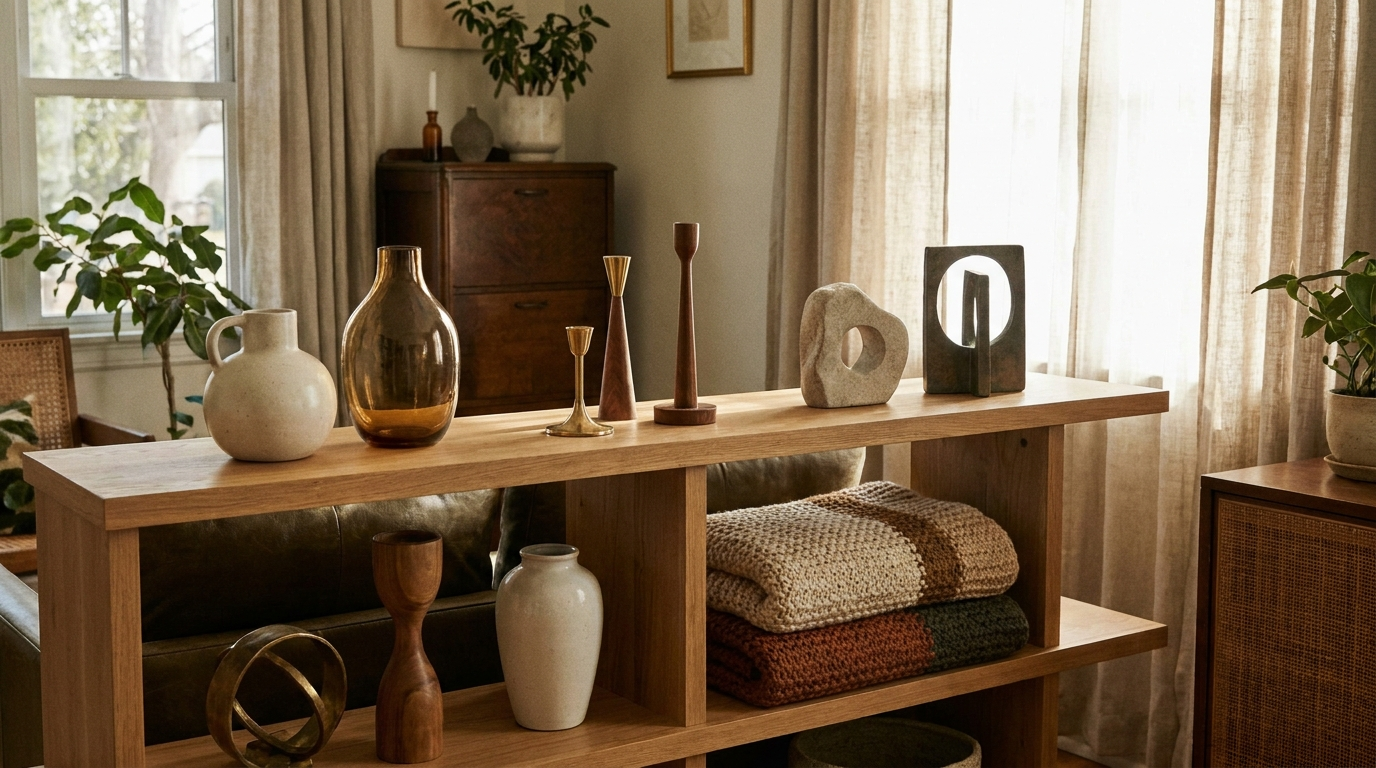
        A console table looks most polished when it combines three things: a clear focal point, balanced height, and enough open space to keep the surface useful. Lamps help anchor the arrangement because they add both light and vertical structure. The rest of the decor should support the lamp, not compete with it.This guide explains how to style a console table step by step, including lamp placement, scale, layering, and common mistakes to avoid. The goal is a setup that feels intentional, not crowded.Start with the function of the console tableBefore placing decor, decide what the table needs to do in the room. An entryway console may need a tray for keys, a small bowl, or a rechargeable lamp. A living room console may be more decorative, while a hallway console often needs a slimmer, simpler arrangement.Function affects how much decor you should use. If the table must stay practical, reserve at least one-third of the surface as clear space.Choose the lamp as the main anchor The lamp is usually the tallest object on the table, so it sets the visual structure first. Place one lamp slightly off-center on one side for an asymmetrical arrangement, or use two matching lamps at each end for a symmetrical layout.For a clean and flexible option, a cordless lamp can work well on a console because it avoids visible cords and can be moved easily. A compact piece such as the Moon Cordless LED Dimmable Table Lamp is designed as a rechargeable table lamp with dimmable settings and portable use, which suits entryway or hallway styling where outlet access may be limited.When choosing lamp size, the shade should feel proportional to the table width and nearby wall decor. A lamp that is too small can look disconnected, while one that is too wide can crowd the surface.Create height balance around the lampOnce the lamp is in place, add pieces of different heights so the arrangement feels layered. The easiest formula is one tall anchor, two medium-height objects, and one or two lower items.Good medium-height pieces include a vase, a framed photo, a candleholder, or a stack of books. Lower pieces can include a bowl, tray, or small sculptural object. Keep the tallest supporting item on the side opposite the lamp so the table does not feel visually heavy on one end.Use wall decor to frame the tableA console table usually looks more complete when it is visually tied to the wall above it. A mirror, artwork, or a grouped set of frames helps connect the lamp and tabletop decor into one composition.If you use one large mirror or artwork piece, center it over the table rather than over the lamp. This keeps the full arrangement balanced. Leave enough visible wall around the piece so the area does not feel compressed.Layer decor from back to frontStyling works best when objects are layered instead of lined up in a single row. Place the tallest items toward the back, medium items in front or slightly overlapping, and the smallest objects near the front edge.This creates depth and makes the table look considered rather than flat. Overlap should be light and intentional so each item still reads clearly from a normal standing distance.Keep the color palette tightA limited palette helps mixed decor feel cohesive. Repeat two or three finishes or tones across the lamp, tray, frames, books, or vase. For example, you might repeat ceramic, brass, black, wood, or muted neutral tones.If the room already has strong color elsewhere, keep the console more restrained. If the room is neutral, the lamp or one accessory can provide the main contrast.Add one practical objectA styled console table often looks better when at least one object has a clear use. This could be a tray for keys, a catchall bowl, or a small clock. Functional pieces make the setup feel lived-in rather than staged.A compact accent such as the Milo Ceramic Desk Clock can work as a low, useful layer on a console table. Its listed 11.8 cm height and ceramic body make it suitable for adding a small-scale object without disrupting the overall height balance.A simple styling formula that works in most rooms Place the lamp first. Add one large wall piece above the table. Put one medium-height object on the side opposite the lamp. Add a stack of books, tray, or box near the center. Finish with one small practical object. This formula works because it creates variation in height, shape, and function without using too many items. If the table still feels busy, remove one object before adding anything new.Common mistakes to avoid Using a lamp that is too small for the table or wall space. Placing decor in a straight line with no overlap or depth. Adding too many small objects with similar height. Filling the entire surface and leaving no practical space. Ignoring the wall above the table, which can make the arrangement feel unfinished. If something looks off, the issue is usually scale or spacing rather than the individual objects themselves. Simplifying the arrangement often solves the problem faster than adding more decor.FAQShould a console table have one lamp or two?Either can work. One lamp creates an asymmetrical, more relaxed look, while two matching lamps create a formal and symmetrical layout.What should go next to a lamp on a console table?Use medium and low objects such as a vase, books, a tray, a framed photo, or a bowl. The goal is to vary height and shape without crowding the lamp.How much decor should be on a console table?Use only enough decor to create structure and interest while keeping some empty surface visible. In practical spaces, leaving about one-third of the top clear is a useful guideline.Does a console table need a mirror or art above it?No, but wall decor usually helps the table feel grounded. A mirror or artwork gives the arrangement a focal point and makes the lamp setup look more complete.